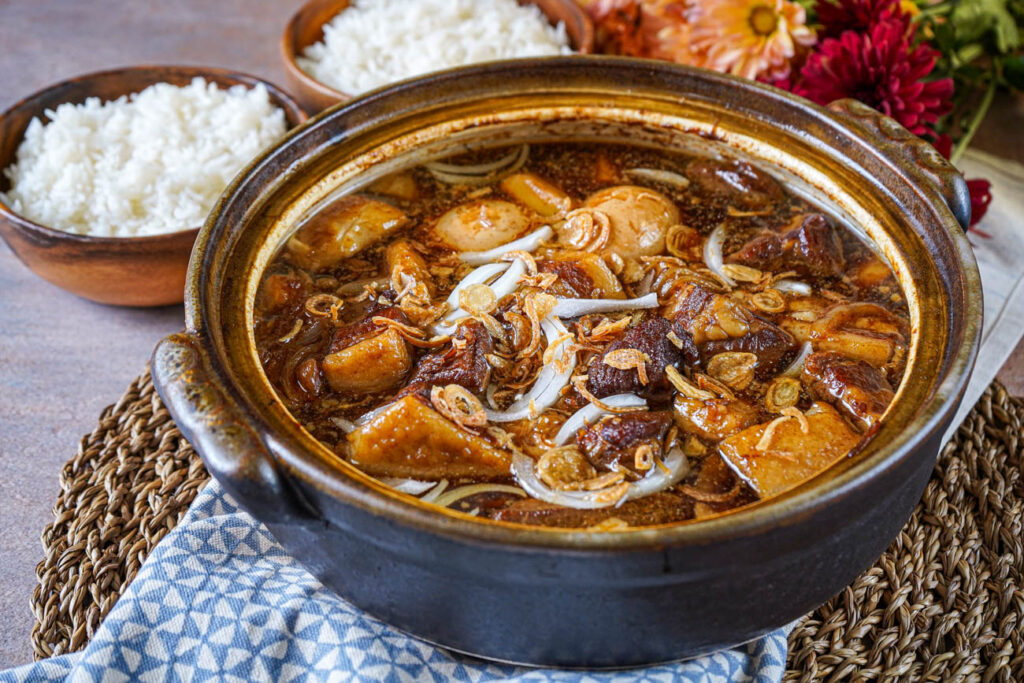
This slow cooker babi kecap recipe makes tender pork in a sweet, savory soy sauce gravy. It is a simple version of a classic Indonesian dish. You just need a few ingredients and your crockpot does most of the work. It is perfect for busy weeknights.
- Authentic Indonesian flavors made easy
- Uses simple, easy-to-find ingredients
- Slow cooker does all the cooking
- Great for meal prep and family dinners
What is Babi Kecap? A Classic Comfort Food
Babi kecap is a popular Indonesian pork dish. “Babi” means pork and “kecap” means sweet soy sauce. The meat becomes very tender after simmering in a mix of soy sauce, spices, and aromatics. It is often served with steamed rice. This method brings deep flavor with minimal effort.
- Traditional Indonesian home cooking
- Centerpiece for family meals
- Rich, sweet, and savory sauce
- Comfort food that is easy to love
Why Use a Slow Cooker for This Recipe
Using a slow cooker for babi kecap is a game-changer. The low, slow heat breaks down tough pork cuts perfectly. It also lets all the spices blend together into a rich sauce. You can set it in the morning and come home to a ready meal.
- Hands-off cooking method
- Makes cheaper pork cuts tender
- Flavors develop deeply over time
- Keeps your kitchen cool
Key Ingredients for Authentic Flavor
You only need a few key items for real babi kecap taste. The most important is Indonesian sweet soy sauce, called kecap manis. If you cannot find it, you can make a mix of regular soy sauce, brown sugar, and molasses. Fresh garlic, ginger, and shallots form the flavor base.
- Pork shoulder or pork belly (2-3 pounds)
- Kecap manis (sweet soy sauce) – 1/2 cup
- Regular soy sauce – 1/4 cup
- Fresh garlic, ginger, and shallots
Step-by-Step Cooking Instructions
First, cut your pork into 1-inch cubes. Brown the pork in a pan for extra flavor, but you can skip this step. Place all ingredients into your slow cooker. Stir gently to coat the pork. Cook on low for 7-8 hours or on high for 4-5 hours. The pork should be fork-tender.
- Step 1: Prepare and brown the pork (optional)
- Step 2: Add everything to the slow cooker
- Step 3: Cook until meat is very tender
- Step 4: Thicken the sauce if desired
How to Make Your Own Kecap Manis
If your local store does not have kecap manis, make your own. Combine 1/2 cup regular soy sauce with 1/2 cup brown sugar and 2 tablespoons molasses. Heat gently until the sugar dissolves. Let it cool before using. This mix gives a close flavor to the real thing.
- Use equal parts soy sauce and brown sugar
- Add molasses for color and depth
- Simmer for 5 minutes to combine
- Store extra in a jar for 2 weeks
Best Cuts of Pork to Use
Pork shoulder (also called pork butt) is the best choice. It has fat that melts during cooking, making the meat juicy. Pork belly is also excellent for a richer dish. Avoid very lean cuts like pork loin, as they can become dry. The slow cooker needs fat to work its magic.
- Pork shoulder/butt: Best for tenderness
- Pork belly: Very rich and flavorful
- Country-style ribs: Good alternative
- Avoid lean pork chops or tenderloin
How to Thicken the Stew Sauce
After cooking, you might want a thicker sauce. Mix 1 tablespoon of cornstarch with 2 tablespoons of cold water. Stir this slurry into the hot stew in the slow cooker. Turn the heat to high and cook for another 15-20 minutes. The sauce will become glossy and coat the meat.
- Use cornstarch for a clear, thick sauce
- Mix with cold water first to avoid lumps
- Simmer for 20 minutes after adding
- Sauce should coat the back of a spoon
Serving Suggestions & Side Dishes
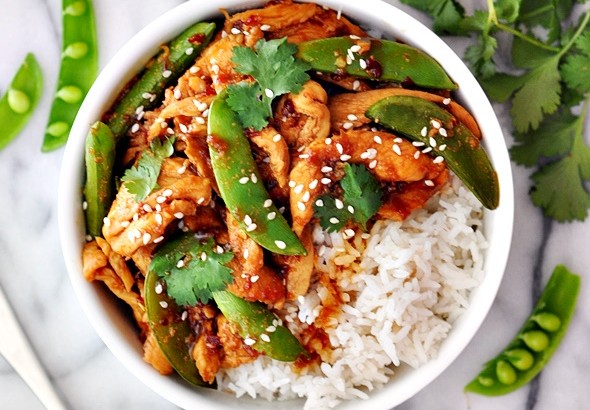
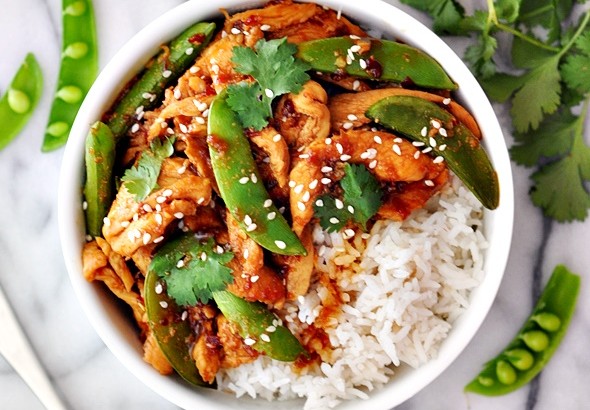
Serve your babi kecap hot over a big bed of steamed white rice. The rice soaks up the delicious sauce. Add simple sides like steamed green beans, sliced cucumbers, or a fried egg. A sprinkle of fresh green onion adds color and a fresh bite.
- Steamed jasmine or white rice is essential
- Quick-pickled cucumbers (acar)
- Simple stir-fried greens (kangkung)
- Top with fried shallots for crunch
Storage & Meal Prep Instructions
Let the stew cool completely before storing. Keep it in an airtight container in the fridge for up to 4 days. The flavors actually get better the next day. You can also freeze it for up to 3 months. Thaw it overnight in the fridge and reheat gently on the stove.
- Refrigerate for up to 4 days
- Freeze in portions for easy meals
- Reheat on stove or in microwave
- Add a splash of water when reheating
Common Mistakes & How to Avoid Them
Avoid using only lean pork, as it dries out. Do not forget to balance the sweet soy with a bit of regular salty soy sauce. Do not lift the lid often during cooking; this lets heat escape. Finally, do not skip browning the meat if you have time, as it adds great flavor.
- Mistake 1: Using meat that is too lean
- Mistake 2: Not balancing sweet and salty
- Mistake 3: Peeking too often while cooking
- Mistake 4: Overcrowding when browning meat
Dietary Adjustments & Variations
For a less sweet dish, use less kecap manis. You can make it spicier by adding sliced fresh chilies or chili flakes. For a gluten-free version, use tamari instead of regular soy sauce and check your kecap manis label. You can even try this recipe with chicken thighs.
- Less Sweet: Reduce kecap manis by 1/4 cup
- Spicy: Add 2-3 chopped red chilies
- Gluten-Free: Use tamari sauce
- Chicken Version: Use boneless chicken thighs
Nutritional Information Per Serving
One serving (about 1.5 cups of stew with rice) has roughly 450-550 calories. It provides a good amount of protein from the pork. The exact numbers depend on the pork cut you use and how much fat you trim. You can find detailed nutrition data from the USDA for pork.
- Calories: ~500 per serving
- Protein: 35-40 grams
- Fat: 20-25 grams
- Carbohydrates: 40-45 grams (with rice)
Why This Recipe is Family-Friendly
Kids usually love the sweet and savory taste of babi kecap. The meat is so tender that even young children can eat it easily. It is a great way to introduce them to Indonesian flavors. Plus, it is a one-pot meal that makes cleanup simple for parents.
- Mild, appealing flavor for kids
- Very tender, easy-to-chew meat
- Minimal spicy heat (can be adjusted)
- Easy cleanup with slow cooker liner

The History of Babi Kecap in Indonesia
Babi kecap has roots in Chinese Indonesian cuisine. It blends Chinese cooking techniques with local Indonesian ingredients like sweet soy sauce. It is especially popular in areas with significant Chinese Indonesian communities. The dish shows how food cultures can mix to create something new and delicious.
- Part of Chinese-Indonesian culinary tradition
- Shows fusion of techniques and ingredients
- Everyday dish, not just for holidays
- Represents Indonesia’s diverse food history